
Views: 0 Author: Site Editor Publish Time: 2025-10-21 Origin: Site


Have you ever wondered how metal parts are shaped with precision for industries like aerospace and automotive? The key lies in metal shaping processes like cold drawing and extrusion. These methods are crucial for producing high-quality metal products, but they differ significantly in their techniques and applications.
In this article, we will discuss the key differences between cold drawing and extrusion, exploring their processes, advantages, and best-use scenarios. By the end, you'll understand which method is right for your specific manufacturing needs and how it affects product quality.
Cold drawing is a metalworking process where a metal rod, wire, or tube is pulled through a die at room temperature. This process reduces its diameter and increases its length, resulting in a finer, more precise shape. The term "cold" refers to the fact that the metal is not heated, making it different from other methods such as hot drawing, where heat is applied to make the material more malleable. A cold drawing machine is used to apply tension on the material, forcing it through the die to achieve the desired shape and size. This process not only refines the material's dimensions but also enhances its strength and hardness through strain hardening. The material's mechanical properties improve due to the molecular rearrangement within the metal during the drawing process.
While both cold drawing and hot drawing aim to shape metal, they differ primarily in terms of temperature:
● Cold drawing is done at room temperature, and because the metal is less malleable at this temperature, it results in superior mechanical properties. Cold drawing produces parts with tighter dimensional tolerances and a smoother surface finish.
● Hot drawing, on the other hand, involves heating the metal to a higher temperature before drawing. The heat makes the metal more pliable, allowing for easier shaping. However, this often results in a less precise finish compared to cold drawing. Hot drawing is more commonly used for larger parts or materials that need to be more easily shaped but do not require the same level of precision.
Cold drawing is typically used when high dimensional accuracy and surface quality are required, such as in aerospace or automotive components. Hot drawing is more suited for larger or bulkier shapes where fine surface quality is not as critical.
Cold drawing offers several notable advantages:
● Improved surface finish: The process enhances the material’s surface, making it smoother and more polished. The lack of heat means that the metal retains its natural surface characteristics, free from oxidation or scaling.
● Tighter dimensional tolerances: Cold drawing ensures that the material meets exact specifications, which is vital in industries like aerospace, where high precision is required. The ability to precisely control the dimensions of the material is one of cold drawing’s key benefits.
● Enhanced mechanical properties: As the material is strained, it becomes stronger and harder, increasing its durability without compromising flexibility. This makes cold drawing ideal for products requiring high strength and wear resistance.
Cold drawing is the process of choice when material strength, dimensional accuracy, and surface finish are key factors in the design of the final product.
Extrusion is a process where a metal billet is forced through a die to create a specific shape. Unlike cold drawing, extrusion is typically performed at elevated temperatures to make the material more malleable. The metal is pushed through the die under high pressure, which shapes it into the desired form. This allows for the creation of a wide variety of shapes with consistent cross-sections.Extrusion is commonly used for producing long, continuous shapes like tubes, profiles, and custom bars. The material is typically heated to temperatures that make it easier to manipulate and mold, resulting in a more flexible and faster production process.
Extrusion provides several benefits, including:
● Faster production times: The extrusion process can be completed more quickly than cold drawing. Since the metal is heated and then pushed through the die, the process can be completed in a continuous manner, reducing overall production time.
● Cost-effectiveness: Due to the fewer steps involved and the ability to produce large quantities of products at once, extrusion generally costs less than cold drawing. This makes it a cost-effective method for manufacturing.
● Complex shapes: Extrusion is ideal for creating intricate designs, such as hollow sections or products with internal cavities, which are difficult to achieve with other methods like cold drawing.
Extrusion is highly versatile, allowing for the creation of complex parts with uniform cross-sections and a smooth finish. It is particularly useful for creating products that require specific shapes or continuous lengths, such as structural profiles.
Extrusion is commonly used to produce:
● Tubing: Various types of metal tubing are made by extrusion, including those used in construction, plumbing, and medical devices.
● Frames: Extruded metal frames are widely used in building construction, automotive applications, and even furniture manufacturing.
● Custom profiles: Extrusion allows the creation of unique cross-sectional profiles for different applications, such as electrical conduits or structural elements for buildings.
The versatility of the extrusion process makes it an ideal solution for producing long metal parts with complex geometries at a relatively low cost.
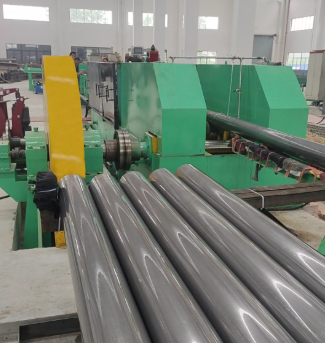
The primary difference between cold drawing and extrusion is the temperature at which the processes occur:
● Cold drawing takes place at room temperature, which means the metal is less malleable but becomes stronger and harder through strain hardening.
● Extrusion is conducted at higher temperatures, allowing the metal to be more easily shaped, but often resulting in less precise finishes compared to cold drawing.
Temperature plays a significant role in determining the properties of the final product. While cold drawing yields stronger, harder materials, extrusion is better suited for applications that require more complex shapes but don’t need the same level of strength.
● Extrusion is typically faster and less costly because it requires fewer steps compared to cold drawing. The metal is pushed through a die quickly, and the process can be automated for high-volume production.
● Cold drawing is more time-consuming because the material must pass through several dies, especially for more intricate shapes. The process also requires more careful control to avoid excessive plastic deformation, which can increase time and cost.
● Cold drawing produces materials with tighter tolerances and superior surface finishes, making it ideal for industries where precision is paramount. The process ensures that parts meet exact specifications and have smooth, polished surfaces.
● Extrusion generally results in products with slightly less precise dimensions and a rougher surface, although modern extrusion techniques have improved surface quality.
● Cold drawing strengthens the material through strain hardening, enhancing its tensile strength and hardness. This makes cold-drawn parts ideal for applications where high strength and durability are essential.
● Extrusion often leads to products with more complex geometries but lower mechanical strength than cold-drawn counterparts. The extrusion process may not produce the same level of strain hardening, resulting in products that are not as strong.
Property | Cold Drawing | Extrusion |
Temperature | Room temperature | Elevated temperatures |
Production Speed | Slower, requires multiple passes | Faster, continuous process |
Cost | Higher due to precision and time | More cost-effective |
Tolerances | Tight dimensional control | Slightly looser tolerances |
Surface Quality | Superior finish, smoother surface | Rougher surface finish |
Mechanical Properties | Higher strength and hardness | Lower strength, more complex shapes |
Applications | Precision rods, wires, structural bars | Tubing, frames, custom profiles |
Cold drawing is particularly effective with materials that have high tensile strength and low ductility. Steel, stainless steel, and copper are commonly used because they can handle the strain of cold drawing without cracking. These materials also offer excellent mechanical properties after the drawing process, such as increased strength and durability.
The cold drawing machine is ideal for these materials, as it allows precise control over the process to achieve the desired dimensions and mechanical properties. Steel and stainless steel, in particular, are commonly used for parts that require a combination of strength and precision, such as rods, wires, and tubes.
Metals that are more malleable at elevated temperatures are ideal for extrusion. Aluminum and aluminum alloys are frequently used because they become soft and easily shaped when heated. Copper alloys and some brass materials also work well for extrusion due to their ability to flow easily under pressure.
Extrusion is typically chosen for materials that need to form intricate shapes or long products, such as pipes, frames, or structural profiles, where precision is not as critical as in cold drawing.
Material | Cold Drawing | Extrusion |
Steel | Suitable for high strength, widely used | Not typically used, better for lighter materials |
Stainless Steel | Excellent for precision parts, high strength | Not commonly used due to its high strength and hardness |
Copper | Common for electrical and plumbing components | Common in plumbing and electrical applications |
Aluminum | Limited use, requires more passes | Excellent for creating complex profiles and shapes |
Brass | Used for its hardness and corrosion resistance | Commonly extruded for thin-walled sections |
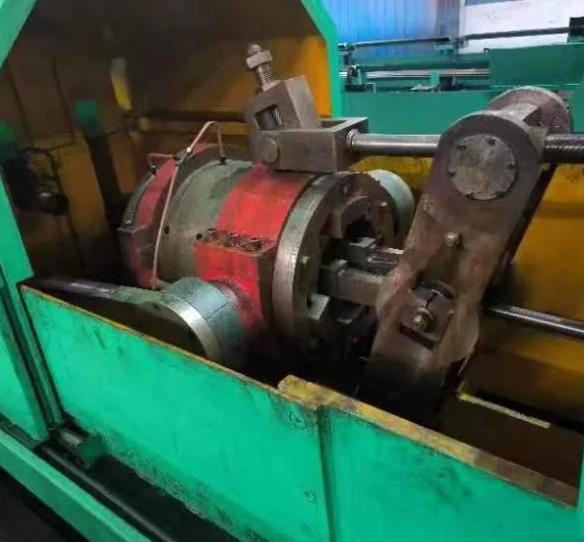
Cold drawing is commonly used in industries where precision and mechanical strength are vital. Examples include:
● Automotive: Components like axles, gears, and shafts that require high strength and dimensional accuracy.
● Aerospace: Structural parts and precision tubes used in aircraft.
● Construction: Reinforcing bars and structural rods that need to withstand heavy loads.
Extrusion is ideal for products that require complex shapes or continuous lengths. Some common applications include:
● Pipes: For plumbing, oil, and gas industries. Extruded pipes are also widely used in the automotive and construction sectors.
● Frames: Used in architectural and automotive applications.
● Custom profiles: For specialized construction and manufacturing needs, such as electrical conduits or beams.
Application Area | Cold Drawing | Extrusion |
Automotive Industry | Axles, gears, shafts, precision components | Frames, rods, custom tubing |
Aerospace | Structural components, precision tubes | Frames, tubes, custom profiles |
Construction | Reinforcing bars, structural rods | Pipes, frames, custom profiles |
Medical Devices | Precision tubes and wires | Tubing, profiles for medical systems |
Electronics | Wires, precision components | Tubing, profiles, custom components |
Cold drawing, while precise, presents some challenges:
● Material brittleness: The metal can become brittle if drawn too far or with too much force, leading to cracking or failure.
● Excessive plastic deformation: Overdrawing can cause the material to crack or deform beyond acceptable limits, affecting its mechanical properties.
● Multiple passes: Achieving the final size often requires several passes through different dies, increasing time and cost.
Extrusion faces its own set of challenges:
● Surface imperfections: The metal may experience surface defects during the extrusion process, especially if the temperature isn’t carefully controlled.
● Dimensional inconsistencies: If not managed properly, the extrusion process can result in dimensional variations along the length of the product.
When choosing between cold drawing and extrusion, manufacturers should consider several factors. Material requirements, such as whether precision or speed is needed, play a key role. Cold drawing is ideal for achieving precise dimensions and mechanical strength, while extrusion offers faster production for complex shapes. Additionally, cold drawing is better suited for stronger and harder materials, whereas extrusion provides cost-effectiveness for mass production.
Both techniques offer unique advantages, and understanding the differences helps optimize production processes. To make the most of either method, manufacturers can rely on Jiangsu Yongteli Machinery Co., Ltd. to provide high-quality machinery tailored to their specific needs. Their products deliver precision and efficiency, ensuring consistent results in both cold drawing and extrusion processes.
A: Cold drawing is done at room temperature to achieve tighter tolerances and improved mechanical properties. Extrusion, on the other hand, is typically performed at elevated temperatures to create more complex shapes faster.
A: A cold drawing machine pulls metal through a die, reducing its diameter and increasing length, which enhances the material's strength and hardness through strain hardening.
A: Materials like steel, stainless steel, and copper are ideal for cold drawing machines due to their ability to withstand the strain without cracking.
A: Cold drawing offers better precision and superior mechanical properties, making it ideal for applications that require strength and tight dimensional tolerances.
A: Yes, extrusion is generally faster and more cost-effective, especially for mass production of complex shapes with less concern for dimensional precision.


